Sit-to-Stand Devices: Transfer Tools, Not Cleanup Platforms
Sit-to-stand devices are among the most frequently used pieces of equipment in long-term care, designed to help residents who can bear partial weight stand briefly and pivot safely between seated surfaces. In many dementia and memory care units, however, these devices have drifted far from their intended purpose. They are increasingly used as toileting substitutes, cleanup platforms, or standing frames for residents who are already soiled. The practice is widespread, but it isn’t clinically sound.
Sit-to-stands were created for one primary task: assisted transfers. They help residents rise, pivot and sit while participating to the extent their strength allows. Manufacturers do not classify them as toileting devices, standing devices, or holding equipment. Yet in many facilities, they are used in exactly those ways.
The most common pattern occurs when residents soil themselves. Instead of transferring the resident to the toilet or bed, staff lift the resident into the sit-to-stand, keep them partially suspended, complete a partial cleaning and then lower them again. The routine is fast, familiar and efficient under heavy workloads, but it bypasses every principle of proper toileting, mobility preservation and equipment safety.
Proper toileting remains a cornerstone of continence care. Residents should be toileted on a predictable schedule, often every two hours and assisted to the toilet whenever possible. The sit-to-stand can support this routine by helping the resident rise and pivot to the toilet safely. After voiding, staff can assist the resident to stand briefly for cleansing, then complete full cleaning and repositioning in bed or chair as needed. This sequence preserves dignity, maintains continence routines and protects skin integrity.
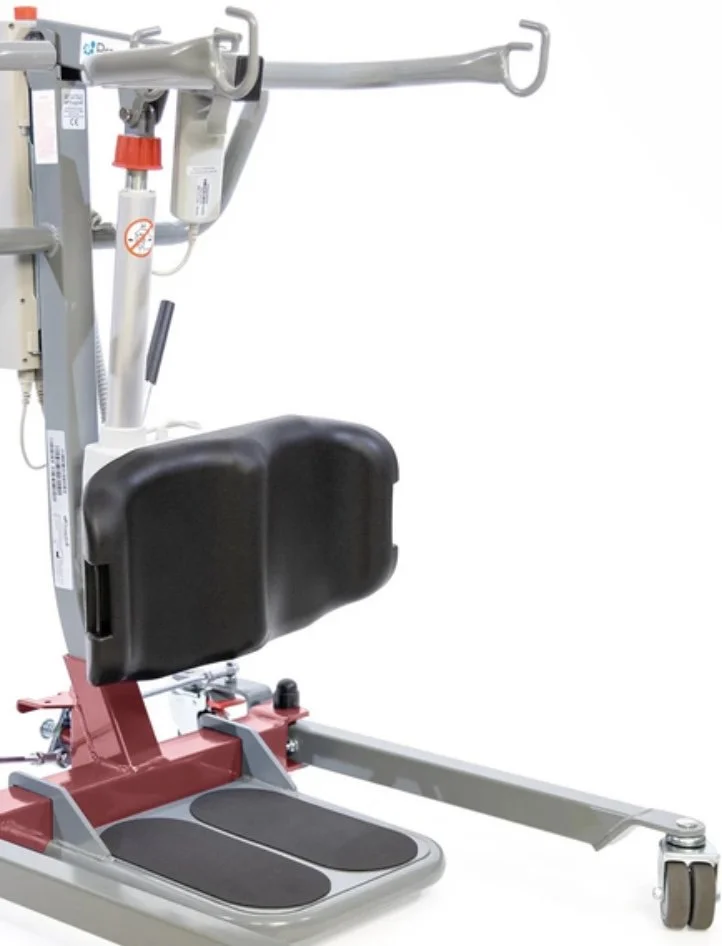
Misuse undermines those goals. Cleaning in the suspended position reduces stability and increases fall risk when a resident’s legs weaken or shift unexpectedly. It limits access for thorough cleansing, which can lead to moisture retention, skin breakdown and infection. It also replaces meaningful mobility — walking, weight-shifting and natural standing — with equipment dependence. For residents living with dementia, every missed opportunity for movement accelerates functional decline.
The reliance on sit-to-stands as toileting devices often reflects operational pressures rather than clinical standards. Heavy assignments, time constraints, and competing demands push caregivers toward the fastest method, even when it isn’t the safest or most effective. The result protects staff backs but compromises resident well-being.
Facilities can correct course with clear communication and training: sit-to-stands are transfer devices. They are tools to help residents move safely between seated positions, not mechanisms for prolonged standing, cleanup, or containment. Toileting should occur on the toilet whenever possible. Cleaning should occur in a supported, stable environment, not from a suspended posture. Movement should be intentional and built into daily care, not incidental to equipment use.
The distinction matters. Safe transfers protect residents from falls. Proper toileting protects skin integrity, continence, and dignity. Correct equipment use protects mobility and reduces preventable decline. In memory care settings, where residents cannot always express discomfort or advocate for their own needs, these fundamentals become even more important.
Realigning sit-to-stands with their intended purpose strengthens safety practices, supports resident function and elevates the standard of care across the unit. It’s a simple correction with meaningful impact — a reminder that routine equipment must never replace thoughtful, attentive caregiving.